
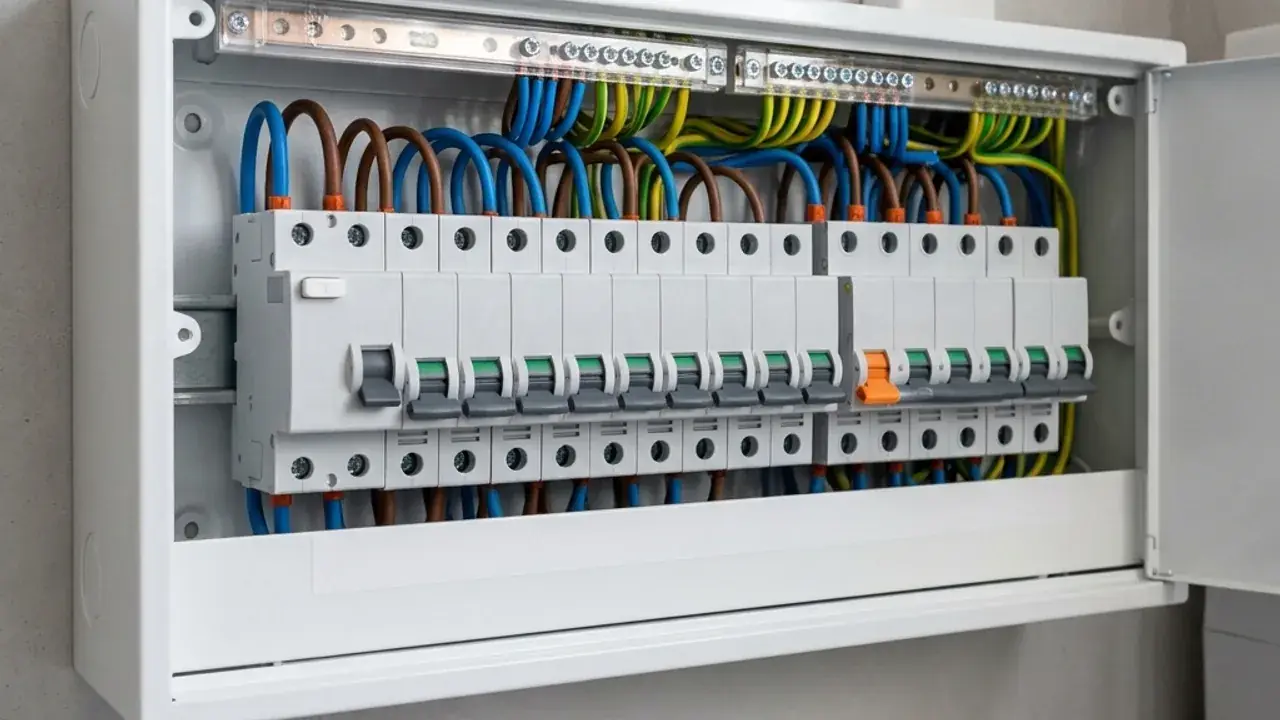
An old switchboard can make a simple home improvement feel uncertain. Will a new oven mean a new board? Is a recurring trip a device problem, a wiring fault or something else? The useful starting point is not the age of the enclosure alone. It is the problem you want resolved, the condition of the installation and the electrical demands of the proposed work.
The decision usually becomes clearer when repairs, extra protection and future changes are separated in the quotation. You can then see what addresses the current concern and what is an optional improvement. Our switchboard upgrade guide explains those different scopes without treating replacement as the automatic answer.
Call about your switchboard concern with the symptoms, any planned appliances and the areas that must remain powered.
Start with the change you need
A failed circuit and a planned electric vehicle (EV) charger are different reasons to call. The first is about restoring safe operation after finding a fault. The second is about whether the existing installation can support a new use. Combining them into a vague request for a “board upgrade” makes it harder to compare recommendations, because contractors may interpret the phrase differently.
A short description of the outcome is more useful: reliable power to a room, a suitable connection for a named appliance, or clarity about existing safety-switch coverage. There is no need to decide the technical solution yourself. The fault-finding guide is a better starting point when repeated trips or dead outlets are the immediate problem.
Protection and capacity are separate questions
Having space for another device does not, on its own, settle whether an installation can supply another appliance. Likewise, a board with circuit breakers does not tell you which circuits have safety-switch protection. These are related parts of the assessment, but they answer different questions about the installation.
The Electrical Safety Office explains the different functions of safety switches and circuit breakers. A safety switch helps protect people against electric shock; circuit breakers protect wiring against overloads and short circuits. The safety-switch service guide expands on coverage and testing. A recommendation should make clear whether it addresses a fault, protection, capacity, access or a combination of these.
A useful quote separates the work
Two quotations can use the same heading while including different things. One might include investigation, replacement devices and testing. Another might assume the fault is already known, exclude changes to existing circuits or leave restoration to another trade. Comparing only the total would miss those differences.
The useful comparison is the complete proposed job. That includes the reason for each change, the equipment allowed for, any planned power interruption and what happens to the old materials. If further investigation could change the scope, the quote should explain that uncertainty and how extra work would be approved. A fixed price for a clearly defined job is not the same thing as a promise that no hidden issue exists.
Renovation plans can change the timing
A board decision may sit alongside a kitchen renovation, air conditioning or home charging. It is worth considering those plans together, even if the work will be staged. Otherwise, separate conversations can result in assumptions about future capacity or duplicated access work that nobody intended.
That does not mean buying a larger board “just in case”. It means giving the contractor the actual plans and distinguishing confirmed purchases from possibilities. The home rewiring guide describes the relationship between circuit work and renovation access. If charging is part of the plan, the EV quote article helps separate charger selection from the installation around it.
Request a callback with your planned changes if you would like to discuss the job without choosing the technical solution first.
Access and outages deserve a place in the scope
A good outcome is not only a different panel on the wall. The work also needs to fit the household. Where people work from home, rely on powered medical equipment or cannot easily leave the property, the expected interruption matters to the decision.
Those needs should be discussed before dates are agreed. The contractor can explain the likely isolation arrangements and the limits of any proposed staging. No article or photograph can establish how a particular home will remain powered during electrical work. Planning around an unconfirmed assumption can create more disruption than the equipment change itself.
Keep observation separate from diagnosis
Visible labels, existing reports and a description of the affected rooms can help explain an enquiry. Opening a board or removing a cover is not part of collecting information for a quote. The Electrical Safety Office warns against DIY electrical work; the assessment belongs with someone appropriately licensed.
The home observation checklist can organise what is already visible without turning the homeowner into a tester. For a Redland Bay address, the local property guide also offers a practical way to organise multi-room changes. Neither resource can certify the condition of wiring or decide whether replacement is necessary.
Decide on the whole proposal
Once the scope is clear, the price becomes easier to evaluate. A written total, stated exclusions and an agreed process for changes give you a more useful basis for comparison than a headline “from” figure. The ACCC’s price-display guidance explains the inclusion of taxes and unavoidable charges in consumer total prices.
The electrical quote comparison helps identify differences in two written prices and scopes. It supplies no market rate and does not tell you whether the technical recommendation is right. The final choice should join those two conversations: what the installation needs, and what you are agreeing to pay for.
Describe the repair and upgrade options you want compared, including the scope, exclusions and interruption each proposal allows for.