
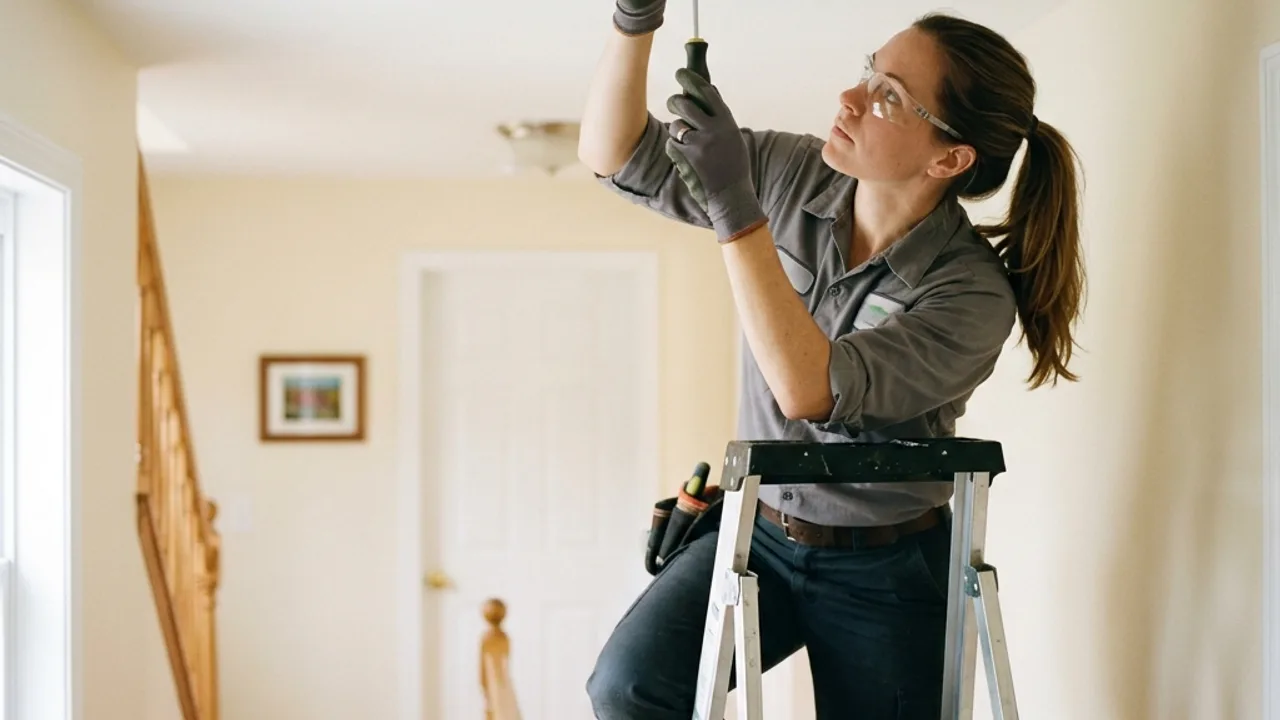
A smoke-alarm deadline is easier to manage when the job is more specific than “replace the alarms”. The existing alarm type, the rooms they protect and the way they sound together all matter. A home may need different work from the property next door, even when both owners are working towards the same date.
Queensland’s requirements already apply to homes being sold or rented. Other existing private homes must comply by 1 January 2027. The Queensland Fire Department’s current smoke-alarm guidance is the primary reference for the requirements and property categories. This guide helps with planning the installation conversation; it cannot certify your home from a description or photograph.
Call about a smoke-alarm upgrade with the property type, current alarm details and the date the work needs to fit around.
The property category comes before the shopping list
A sale, tenancy and continuing owner-occupation do not necessarily put a household at the same point in the timetable. The relevant category matters more than an assumption that every property can wait until the final date. Existing work records may also help establish what has already been installed.
Before buying devices, the useful question is what the property currently has and what needs to change. The smoke-alarm service guide summarises the installation topics. Where a property is managed for an owner, a clear contact for approvals and access can prevent the scope being passed between people without anyone confirming the actual job.
Type, position and interconnection work together
The Queensland Fire Department explains the photoelectric, placement and interconnection requirements. An alarm purchase is therefore only one part of the decision. Replacing a device in its old position does not, by itself, establish that the overall arrangement meets the requirements.
The installation conversation should account for the sleeping areas, hallways and storeys, alongside the existing alarm arrangement. A floor plan can help explain the layout, but the contractor still needs to determine what the property requires. Different rooms and levels should be discussed as one system rather than as isolated purchases from a catalogue.
Interconnection needs a practical explanation
Interconnected alarms sound together when one is triggered. That makes the connection between devices part of the installation scope, not simply a feature printed on the box. The official Queensland guidance explains the requirements; the installer can explain the proposed equipment and how it will be demonstrated at handover.
For the homeowner, the useful result is an understandable description of the finished arrangement. Which devices are being replaced? Which positions are new? What is included in installation and testing? Those questions are more useful than assuming that every product described as interconnected will fit the existing equipment or the particular home without further work.
A quote should describe the finished job
A quote expressed only as a number of alarms can leave important assumptions unstated. The proposed locations, device types, connection method, access work and handover should be clear enough for you to understand what is included. If existing equipment will remain, that decision should also be explicit.
The electrical quote comparison helps you check whether two prices include the same equipment, testing and charges. It cannot choose alarms or assess compliance. The ACCC’s price-display guidance explains consumer total-price requirements. A complete figure and clear exclusions make comparison more meaningful than a low per-device price with an uncertain installation scope.
Request a callback about your alarm arrangement. Mention a planned sale, tenancy or renovation so the reason for the work is clear.
Occupied homes need sensible access arrangements
Alarm work reaches into rooms that people use every day. Access arrangements matter when bedrooms are occupied, tenants need notice from their property contact or the owner will be away. These practical details should be confirmed with the responsible parties before an appointment is treated as settled.
For a rental, agree who can approve the work and arrange entry before booking. For an unattended island property, the Coochiemudlo Island guide covers authorised access and travel confirmation, which makes the conversation more precise once availability is being discussed.
Renovation timing can help avoid repeated work
If ceilings or room layouts are changing, the alarm plan belongs in the wider renovation discussion. An installation designed around the old layout may not be the arrangement intended when the renovation is complete. The scope should make clear which layout and stage of the project it refers to.
Our renovation electrical article explains how lighting, power points and wiring decisions interact with access and finished surfaces. Combining the planning conversations does not mean combining every job into one visit. It means that each contractor and decision-maker understands what is changing, which work is confirmed and what remains a future option.
Handover is part of a useful result
At completion, the household should understand the installed arrangement and have the relevant equipment information and work records. A clear explanation is particularly useful when the owner is absent or someone other than the person who arranged the work will occupy the home.
An observation checklist is not a compliance certificate. Our home checklist can help organise topics for discussion, but it cannot confirm device suitability or installation compliance. Likewise, a written guide cannot resolve uncertainties about fixed wiring. The Electrical Safety Office’s DIY guidance sets out why electrical work belongs with appropriately licensed people.
Leave room to confirm, not assume
The deadline provides a planning reason, not a guaranteed appointment. A useful enquiry leaves room for the contractor to establish the scope, provide a written price and confirm an actual date. Buying equipment or making access arrangements around an assumed booking can make a straightforward job harder to organise.
Start your smoke-alarm planning enquiry. Confirm the contractor, installation scope and timing directly before committing.